
Self-Paced Professional Development

Schematic Play
Finally Understand The Behaviours You've Been Wondering About
Have you ever watched a child repeatedly throw objects, transport resources around the room, spin in circles, or build and rebuild the same structure over and over?
What if those behaviours weren’t random?
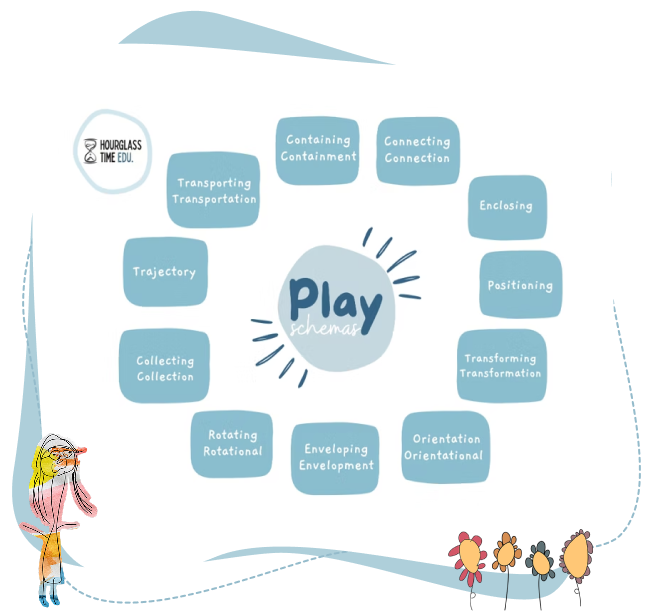
This practical online course helps educators recognise children’s schemas (repeated patterns of play) and use them to create more engaging learning experiences, stronger observations, and more intentional curriculum decisions.
Outcomes:
 Better understand children’s behaviour Increase engagement and involvement Plan experiences children are naturally drawn to Strengthen observations and documentation Feel more confident explaining learning to families
Ready To See Children’s Learning Through A Different Lens?
18 StepsGet a certificate by completing the Program
Start Learning Today → $97.00
About This Course
Stop Asking "Why Are They Doing That?"
One of the biggest challenges educators face is understanding what children's repeated behaviours are telling us.
Schemas provide the missing link.
When educators understand schemas, they begin seeing learning differently. Instead of redirecting children's interests, they can use those interests to strengthen engagement, learning, and curriculum planning.
This course helps you identify common schemas and understand what they reveal about children's thinking, learning, and development.
What You'll Learn:
Who Should Enrol?
This program is ideal for early childhood educators interested in enhancing their understanding of children's play patterns. Whether you are new to the concept of schemas or looking to deepen your knowledge, this course offers valuable insights and practical tools to support children's development.
Educators and Teachers wanting to refresh their understanding of Schemas and bring Schematic Play to the forefront of their practice.
Educators and Teachers who are challenged by children's behaviours and are noticing shifts in how children interact with the environment.

Meet Michelle Walsh


Learn From Someone Who Has Walked In Your Shoes
Hi, I'm Michelle.
I've spent more than 20 years working across the early childhood sector as an educator, teacher, service leader, regional manager, consultant, trainer, and mentor.
Throughout my career, one thing has remained true:
When educators understand the "why" behind children's behaviour, everything becomes easier.
Schemas are one of my favourite topics because they help educators move from frustration and uncertainty to curiosity, confidence, and intentional teaching.
My goal isn't to give you more paperwork. It's to help you better understand children. Because when we understand children more deeply, quality practice becomes easier to achieve.
Watch Michelle’s Story
Hear from Michelle as she shares a little about herself and her journey.






Ready to Strengthen Your Leadership?
Start today and make s positive impact on your team
Share this program