
Food at the heart of the service

Food for Thought
Helping Children Build Positive Relationships With Food
Preschool Boost Program | Nutrition, Wellbeing & Play-Based Food Education
Food for Thought supports early childhood services to strengthen children’s health, wellbeing, and lifelong relationships with food through practical educator learning, kitchen team support, family resources, and play-based nutrition experiences for children in the two years before school.
Delivered by Hourglass Time Education in partnership with our in-house Nutritionist, Rebecca Harwood, this program brings nutrition science and early childhood pedagogy together in a way that is practical, engaging, and easy to embed.

The Problem
Many services want to support children’s health and wellbeing, but food education can feel complicated.
Kitchen teams are often working hard with limited time, educators may feel unsure how to talk about food with children, and mealtimes can sometimes become stressful rather than calm, connected learning opportunities.
At the same time, children are developing food preferences, habits, confidence, and attitudes that can influence their health and wellbeing for years to come.
Food for Thought helps services move from:
“We know food matters, but we’re not sure how to embed it well.”
to:
“Our whole team understands how food supports children’s bodies, learning, energy, and wellbeing.”

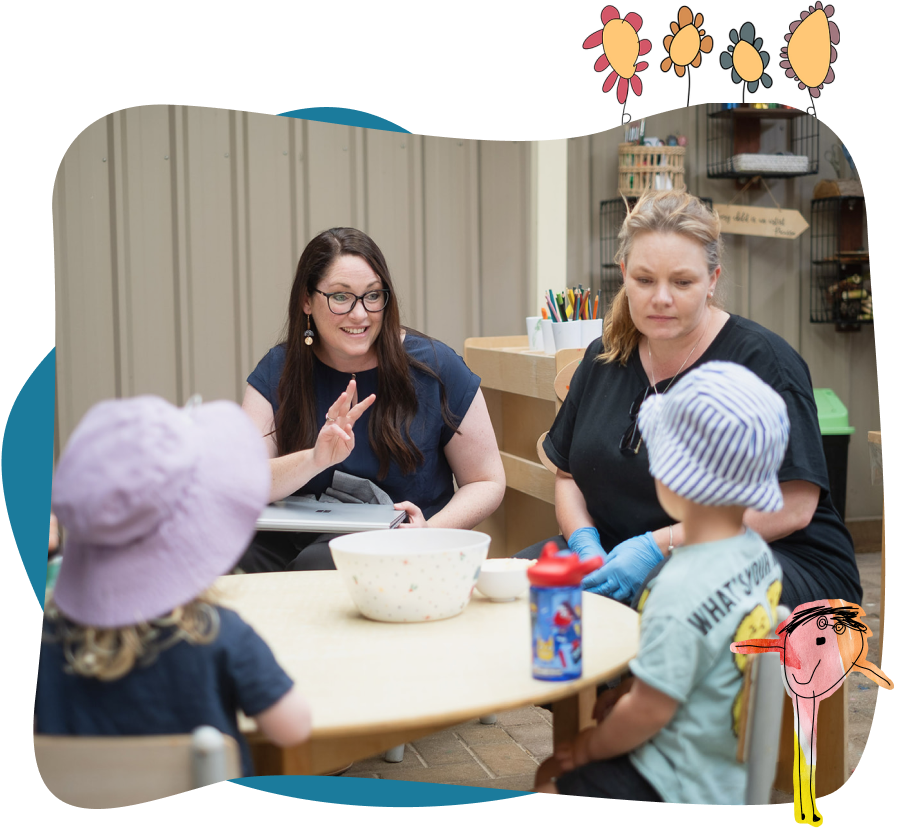
Professional Learning for Educators
Building Positive Food Relationships Through Play
What Food for Thought Supports
This program helps services strengthen:
- Children’s positive relationships with food
- Calm and supportive mealtime environments
- Educator confidence around food conversations
- Kitchen team capability and menu planning
- Play-based nutrition learning
- Family understanding and home-service consistency
- Whole-service wellbeing practices
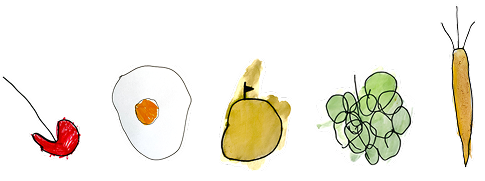
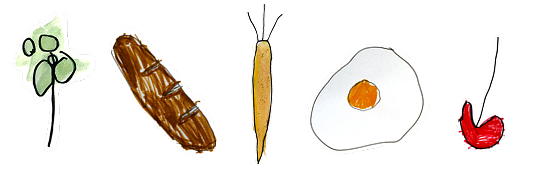
Children learn through hands-on exploration, storytelling, real food experiences, and uniquely developed food characters that help make nutrition concepts meaningful and age-appropriate.

What Children Explore
Child-focused sessions introduce nutrition concepts through play-based learning.
Children explore:
- Everyday and sometimes foods
- How food supports energy, growth and wellbeing
- Proteins, carbohydrates and healthy fats
- Real ingredients through sensory exploration
- Trying new foods in calm and supportive ways
- How food helps our bodies grow, play and learn
The goal is not to create pressure around food.
The goal is to build familiarity, confidence, curiosity, and positive food experiences.

Support for Educators and Kitchen Teams
Food for Thought also builds the capability of the adults around children.
Educators and kitchen teams strengthen their understanding of:
- Balanced nutrition
- Calm and positive mealtime practices
- Menu planning
- Food variety and repeated exposure
- Supporting children who may feel unsure about food
- How nutrition impacts energy, concentration, behaviour and wellbeing
- Creating consistency between kitchen, room teams and families
Kitchen teams receive practical resources, recipes, cookbooks and menu planning support to help embed learning beyond the program delivery.
Educators receive session plans, curriculum ideas and play-based resources they can continue using with children.


Why It Matters
Early food experiences matter.
Positive nutrition, calm mealtimes and repeated exposure to nutritious foods support children’s physical health, emotional wellbeing, self-regulation, concentration and engagement in learning.
Food for Thought aligns with the AEDC Physical Health and Wellbeing domain and supports services to build preventative health practices in the years before school.
When children understand food in a positive and age-appropriate way, they begin building the foundations for lifelong healthy habits.
Delivered by HGT EDU and Rebecca Harwood
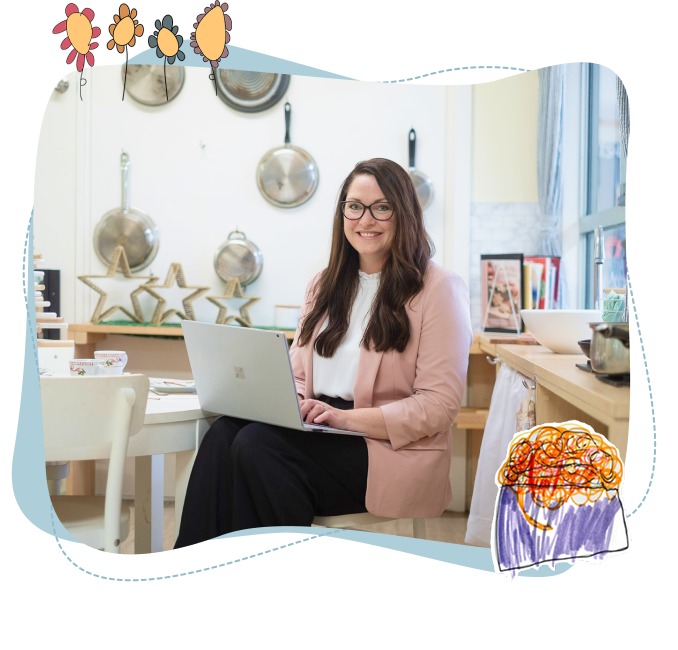
Food for Thought is delivered by Hourglass Time Education in partnership with Nutritionist Rebecca Harwood.
Rebecca brings nutrition expertise together with HGT EDU’s practical understanding of early childhood services, educator learning, curriculum, mealtimes and whole-service implementation.
The program has already been delivered across more than 25 early childhood education and care settings, supporting educators, cooks and children to strengthen nutrition knowledge, food confidence and mealtime practices.
What Services Are Saying
After participating in Food for Thought, Glenelg Community Childcare shared that the program helped their team gain a stronger understanding of nutrients, menu planning, protein alternatives, food variety, and the role food plays in children’s wellbeing and engagement.
Since the program, their kitchen team introduced new recipes including protein balls, green smoothies, corn fritters, chia seed muffins, apricot and coconut slice, tuna on rye, Thai rice noodles, San Choy Bow, and Tuna, Sweet Corn and Spinach Cheese Bake.
Their team reflected that children were open to trying new foods and that the variety of meals appeared to support children’s satisfaction, concentration and engagement.
The service shared:
“This program has provided valuable information on menu planning and using natural, nutrient-rich ingredients. It also highlighted the impact of food on children’s behaviour.”
Perfect For Services Wanting To:


Preschool Boost Menu Program
Food for Thought is available through the Preschool Boost Menu for eligible South Australian services.
And is also available for other services who are not currently not delivering preschool boost.
The program is designed to complement existing play-based preschool programs and can be delivered through a combination of professional learning, child-focused sessions, kitchen team support, family resources and follow-up coaching.

Ready to Strengthen Food, Wellbeing and Learning Across Your Service?
Food for Thought helps children, educators, kitchen teams and families build positive, practical and confident relationships with food