
Relationship-Based Practice for Early Learning Teams

Circle of Security Classroom Approach
The Circle of Security Classroom Approach™ helps educators better understand children’s emotions, behaviours, and relationship needs so they can respond with greater confidence, calm, and connection.
This practical and reflective training supports teams to build stronger relationships with children, better understand behaviour, strengthen educator responsiveness, and create learning environments where children feel safe, secure, and supported.
This practical and reflective training supports teams to:
- Build stronger relationships with children
- Better understand behaviour and emotional needs
- Strengthen educator responsiveness
- Create calmer learning environments
- Support children to feel safe, secure, and connected
Children Learn Best When They Feel Safe, Seen & Supported.
Educators are navigating increasingly complex behaviours, emotional regulation needs, and family dynamics.
The Circle of Security Classroom Approach™ gives teams practical ways to understand what may be sitting underneath behaviour and how to respond with empathy, intention, and relationship-based strategies.
Because when children feel safe in relationships, they are more able to explore, learn, connect, and thrive.
The Circle of Security Classroom Approach™ gives teams practical ways to understand what may be sitting underneath behaviour and how to respond with empathy, intention, and relationship-based strategies.
Because when children feel safe in relationships, they are more able to explore, learn, connect, and thrive.
This Training Helps Educators To:
- Recognise emotional needs beneath behaviour
- Respond with empathy and intention
- Strengthen secure educator-child relationships
- Support children through co-regulation
- Build emotionally safe learning environments
- Reflect on their own responses and practice
- Feel more confident when behaviour feels challenging
Because relationships are at the heart of quality practice.
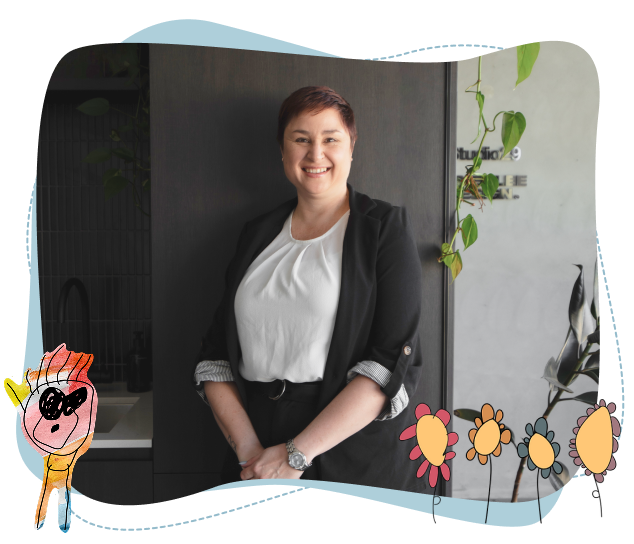
Delivered by Shell Scott
Certified Circle of Security Facilitator & Operations Lead at HGT EDU
Shell brings over 20 years of experience in leadership, operations, systems, and early childhood practice.
Reach Out to Shell
Known for her calm approach, practical knowledge, and deep understanding of relationships, Shell supports educators to feel safe, capable, and empowered in their work with children and teams.
Her passion for secure relationships and emotionally safe environments led her to become a certified Circle of Security facilitator, where she now supports services across Australia to strengthen connection-based practice.
Perfect For Services Wanting To:

Perfect For Services Wanting To:
Available As:
In-service team training
Preschool Boost funded delivery
Conference and workshop presentations
Leadership team sessions
Ongoing coaching and mentoring support
Available online or face-to-face depending on location.
This training gives educators language, reflection, and practical strategies they can use straight away.
It helps teams move from:
“Why is this child doing this?”
to:
“What is this child needing from us right now?”
That shift changes everything.

Feedback
HI SHELL,
THE CIRCLE OF SECURITY SESSION WAS PERFECT TIMING. IT CERTAINLY WAS THOUGHT PROVOKING. THERE HAS BEEN A SHIFT IN SUPPORTING AND COMFORTING CHILDREN WHEN THEY ARE UNSETTLED. STAFF HAVE REALISED THAT SOME CHILDREN, THEY NEED TO CONNECT WITH FURTHER. THERE HAS BEEN GROWTH AROUND UNDERSTANDING CHILDREN’S NEEDS AND HOW WE RESPOND TO THEM. YOUR SESSION WAS REALLY INSPIRING IN A SENSE OF RECONNECTING WITH CHILDREN, UNDERSTANDING OUR OWN BEHAVIOURS IN OUR INTERACTIONS, AND THE IMPACT OF POSITIVE INTERACTION TO CHILDREN’S WELLBEING.
RACHEL, GLENELG COMMUNITY CHILDREN'S CENTRE



Ready to Strengthen Relationships Across Your Service?
Support your team to better understand behaviour, connection, and emotional safety through practical, relationship-led professional development.
Practical support. Clear direction. Sustainable quality improvement.